Where Business Texting Fits in the Martech Stack


Table of Contents
Source
The modern marketing technology stack, which most businesses simply call Martech, has become a complex and multi-layered ecosystem of tools and platforms. It helps companies set up and track the customer experience from start to finish, from attracting them to engaging them and retaining them.
The more diverse and extensive Martech becomes, the more businesses need to learn about it. One of its most efficient yet overlooked layers is AI business texting that can be used as a powerful, scalable communication tool, ensuring immediate responses and follow-ups, high visibility, and deep personalization. Learn about the essence of modern business texting and see where it fits in the Martech stack.
What the Martech Stack Includes
First, let’s explore what the Martech stack typically includes to illustrate how business texting fits right into it. This is what companies are used to:
- Customer relationship management. CRM platforms are the most obvious layer of the Martech stack. They store all the customer data and client interactions with a business.
- Marketing automation tools. These are tools and platforms for automating emails, building marketing campaigns, nurturing leads, etc.
- Analytics and attribution tools. With the help of these systems, businesses can measure the impact of their marketing campaigns and calculate the ROI.
- Active collaboration tools. Systems like Slack and Teams help align marketing efforts and resulting sales; they allow all parts of the team to stay updated.
Business texting is also a part of this ecosystem. More than that, it serves as a direct engagement channel that links CRM, automation, and business-client relationships.
The Place of Business Texting in the Martech Stack
It’s time to learn more about the key spot business texting takes within the extensive ecosystem of the Martech stack.
Why Business Texting Belongs in the Stack
Business texting is an important layer of the Martech stack. Take a look at the factors that mark it as its essential component:
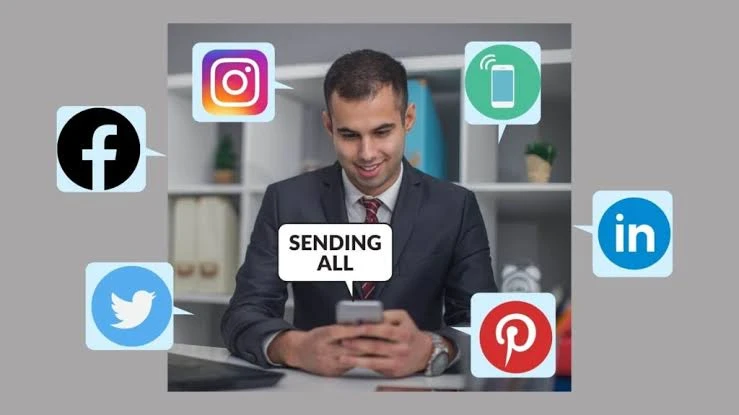
- Real-time communication. Texting is a way for businesses to reach customers instantly. They can send a message about the delivery date, a reminder, a product update, etc. to stay on a client’s mind and encourage purchases.
- Scalable personalization. With AI tools, businesses can send hundreds and thousands of messages to their clients, personalizing them at scale. Specifically, smart tools can refer to clients by name, mention their purchase history, etc.
- Cross-channel integration. Texting joins other means of communication that fall into the Martech stack, such as email, chat, messengers, and others; in fact, it often shows even better lead conversion results.
- Measurable impact. Texting comes with a range of analytics about open rates, delivery, and response time. This info is sent directly to the Martech stack’s analytics system, which helps teams measure ROI.
Business texting stands at the center of communication between a client and a business, and that’s exactly what the Martech stack is about. It focuses on improving customer experiences with the goal of engaging and retaining them; business texting helps make it happen.
How to Use Business Texting as Part of Martech
Wondering how to start using business texting and make it a regular part of your Martech stack? Follow these guidelines.
- Do text messaging and CRM system integration. Once you get your business-grade SMS platform or smart chat solution, integrate it with your CRM. Good tools come with integration options; this way, every text message of yours will be logged alongside emails, calls, and online meetings.
- Connect with marketing automation tools. Business texting should work along with marketing automation platforms. This will enable you to automate reminders about deliveries or promotions, personalize follow-ups based on each specific client’s response and behavior, complement email and call outreach, etc.
- Decide how much you’d like to automate. A lot of businesses make the mistake of automating everything they can. Clients hate it, so settle on a balance between AI and human involvement. Automate appointment reminders, order confirmations, and satisfaction surveys. Let human agents handle the rest.
- Personalize messages to your customers. Nothing annoys clients more than getting generic, spam-like messages. To avoid this, you need to personalize everything you send. Include real names, mention context, reference specific actions, and keep your voice professional yet friendly.
Measure and optimize your business texting; see what works and what it doesn’t. This will give you a chance to set everything up in the most effective way, improving your outcomes and client retention rates.
Where to use business texting? It works pretty much everywhere. You can onboard your clients by texting them the actions they need to take, notifying them when their support tickets are accepted and solved, informing them about new exclusive offers, and asking for feedback.
Business texting is also vital in logistics. Tell your clients when their package will be delivered and if something changes all of a sudden. You can notify your team and business partners, too: texting is a universal Martech component.
Maximize the Opportunities of Your Business Texting
As you can see, business texting is a rightful part of the Martech stack, and many companies are already using it to facilitate their communication process. Still, it remains largely underappreciated, so consider its pros and cons to decide if you need it and use this advantage to stand out.
Use AI tools to enhance your business texting. Personalize your message template and see if your clients start responding better to this form of communication.
Share this article