
Top 10 prospecting tool for SMB: 2026 review

Table of Contents
Small and mid-sized sales teams face a paradox every quarter. They need high-quality leads consistently, yet they rarely have the bandwidth to research, qualify, and reach out manually across multiple channels. The gap between ambition and execution widens fast when reps spend hours copy-pasting contact details instead of closing deals.
Choosing the right outreach platform changes that equation entirely. The best options in 2026 combine AI-driven personalization, verified contact databases, and multichannel sequences that cover email, LinkedIn, phone, and even SMS. But each tool carves out its niche differently, whether through pricing flexibility, data depth, or automation sophistication.
This review breaks down six platforms purpose-built for small and growing teams and if you want some more, you can find some of the top picks on this review. You'll find real pricing, feature specifics, and honest strengths so you can match the right solution to your team's size and sales motion.
Overloop
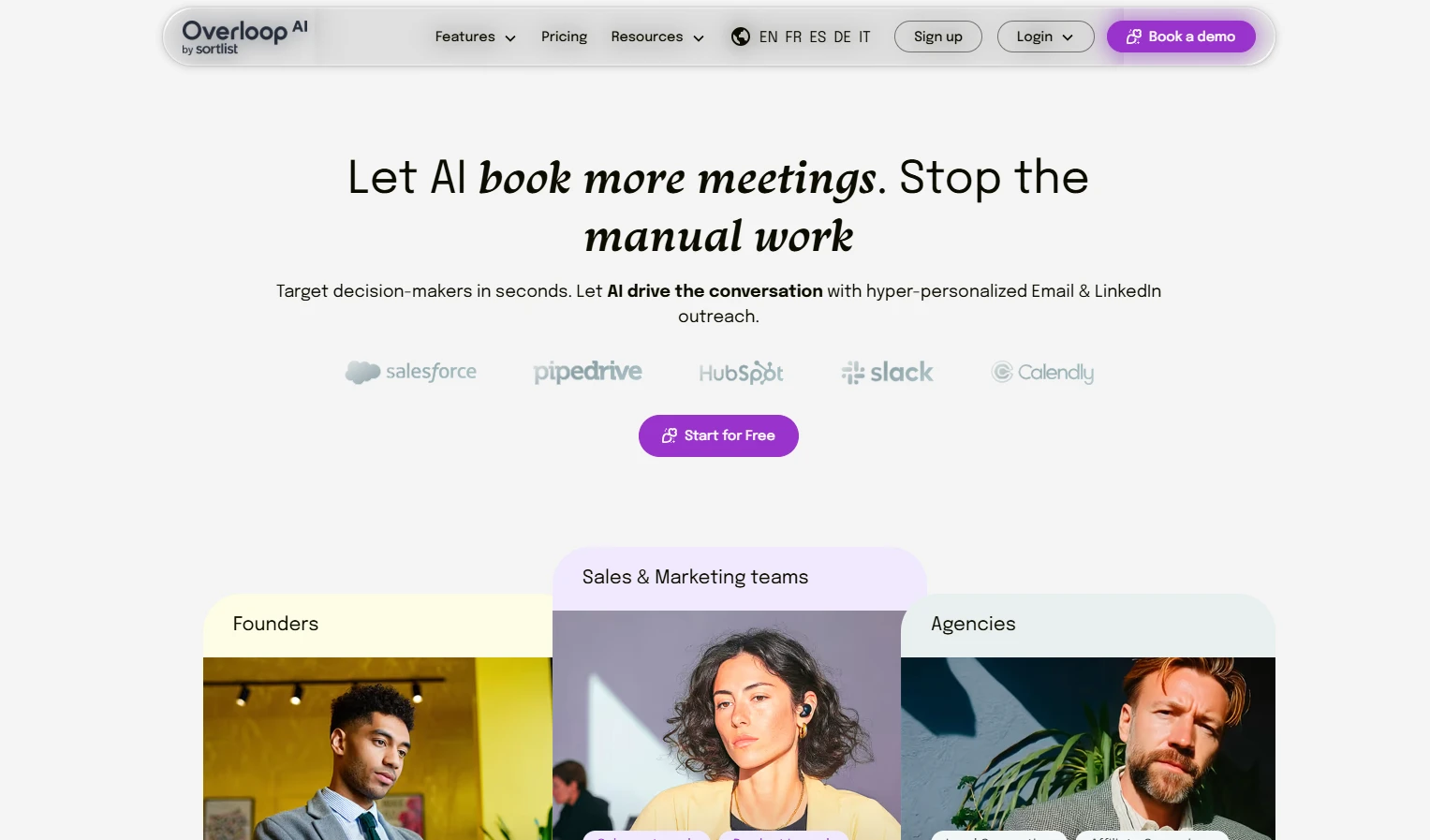
Overloop delivers an AI-powered sales automation platform built on ten years of outbound expertise and over 100,000 campaigns. The platform gives teams access to 450M+ verified contacts, multichannel workflows spanning email and LinkedIn, and an algorithm fine-tuned for inbox deliverability over a full decade. Setup takes less than five minutes, which matters when small teams can't afford lengthy onboarding cycles.
Three plans cover every team size. The Starter plan runs $69 per user per month, bundling 250 credits and chat support. Growth costs $99 per user monthly with 500 credits and the same chat support. Enterprise unlocks 1,000 credits, a dedicated account manager, and custom onboarding at a negotiated rate. Every plan includes a 14-day free trial with no credit card required.
What sets the platform apart is how it handles personalization. The AI drafts emails based on each prospect's web profile and social presence, not generic templates. Reps can launch campaigns, book meetings, and build LinkedIn visibility from a single dashboard. Overloop claims this approach frees up 90% of SDR time, shifting effort from manual research to actual conversations.
The multichannel design deserves attention. Rather than bolting on LinkedIn as an afterthought, the platform weaves it into every workflow alongside email. Real-time performance analytics let managers spot bottlenecks instantly. For teams that value outbound expertise baked into the product (not just marketed), this is a strong contender.
Apollo.io
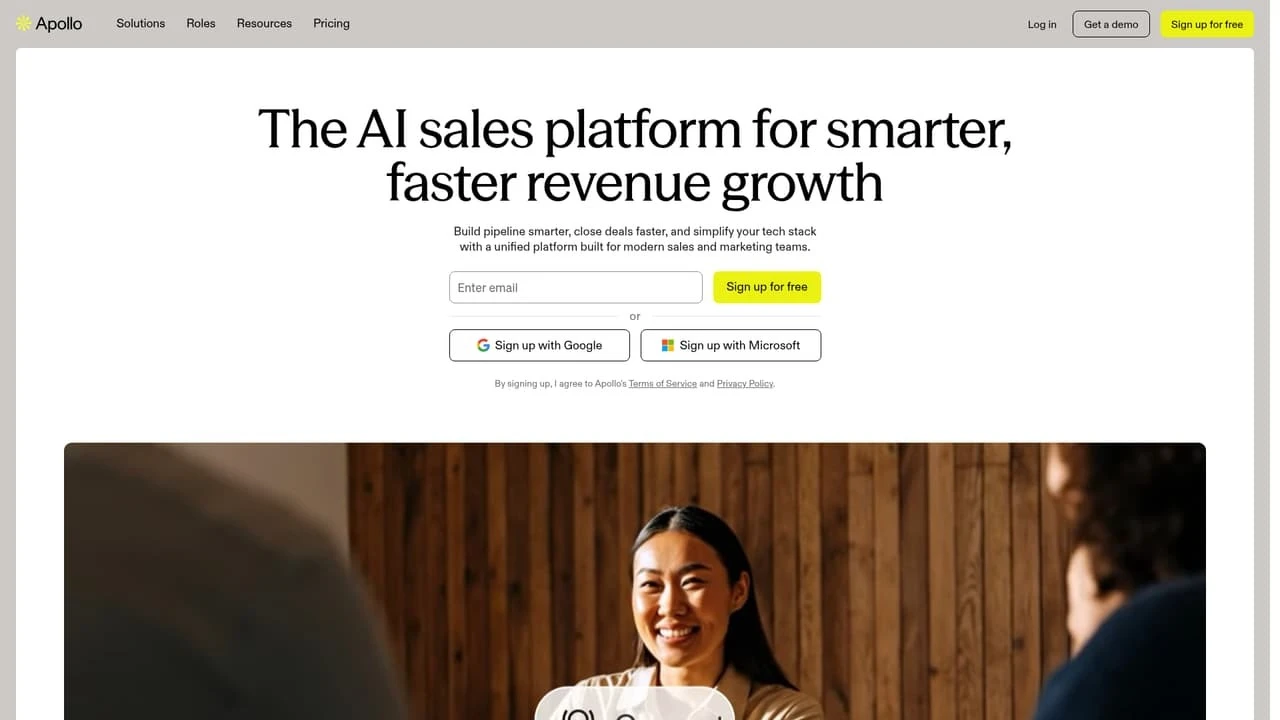
Apollo.io replaces five separate tools with a single unified platform covering prospecting, enrichment, sequencing, calling, and CRM. Over 600,000 companies rely on it, and the platform holds a 4.7/5 average rating across more than 9,000 reviews. Founded in 2015 by Tim Zheng, it has grown into one of the most recognized names in B2B outreach.
The database houses 230 million contacts and 30 million companies with verified emails and phone numbers. Data syncs across your CRM in real time, so reps never work with stale contact information. Apollo also identifies anonymous website visitors and captures inbound leads automatically, bridging the gap between outbound and inbound motions.
Where Apollo shines for budget-conscious SMBs is cost consolidation. The company reports a 64% reduction in tech costs for teams that migrate from stacked point solutions. SDR efficiency jumps roughly 4x according to documented case studies, with a 70% increase in sales prospects.
- AI-powered call summaries and meeting preparation notes save reps pre-call research time
- Lead scoring and conversation intelligence surface the deals most likely to close
- Multicanal sequences cover email, phone, and LinkedIn from one workflow
- The Chrome extension lets reps prospect directly while browsing LinkedIn or company websites
- Apollo Academy, webinars, and a 24/7 AI chat provide ongoing support without waiting for business hours
Compliance matters too. Apollo holds ISO 27001 and SOC-2 certifications, supports GDPR as both processor and controller, and runs annual penetration tests alongside quarterly security audits.
Landbase
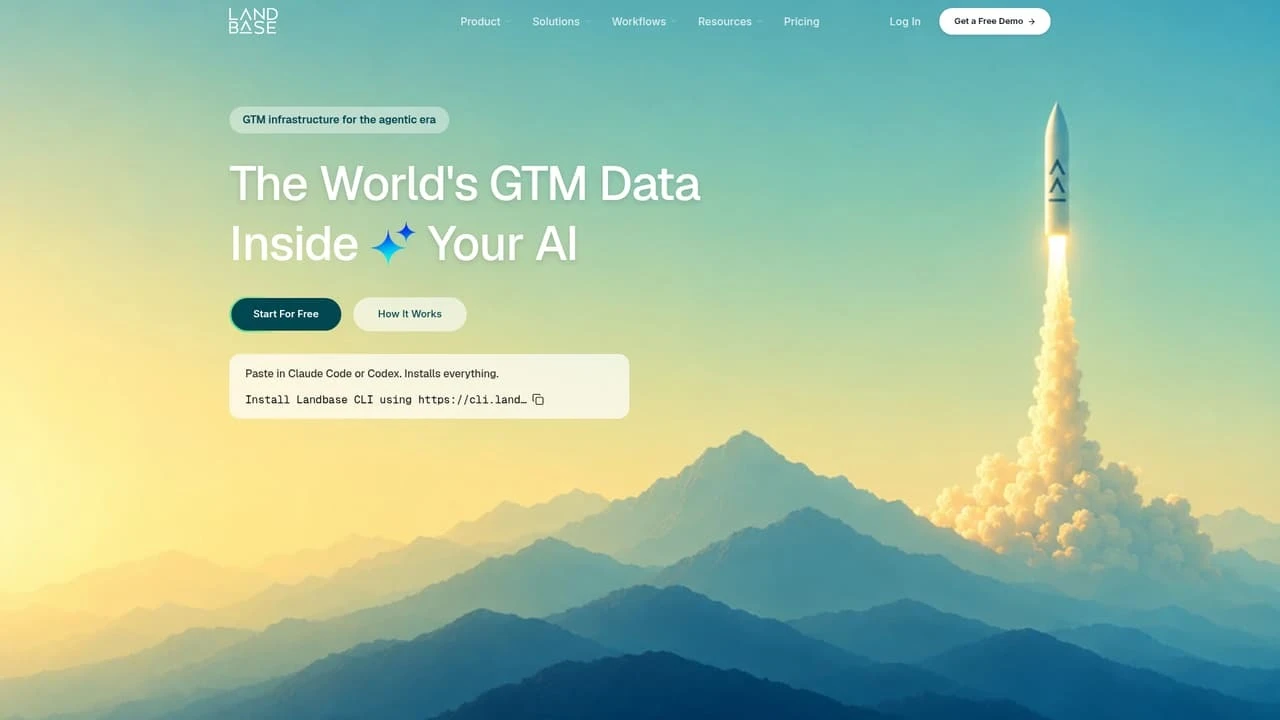
Landbase calls itself the first agentic AI platform dedicated to go-to-market. Recognized as a Gartner Cool Vendor in 2025, it operates from offices in Palo Alto and Toronto, leaning hard into autonomous agents that handle targeting, qualification, prioritization, enrichment, and monitoring without manual intervention.
How does this play out in practice? Imagine your reps spending hours filtering lists and cross-referencing intent signals. Landbase's GTM-1 Omni agents compress that process to minutes. The platform routes data through 20+ providers automatically (powered by BetterContact), tracks technology stack changes, and detects buying signals as they emerge. No boolean queries needed.
The pricing model starts generous. You get 1,000 free credits at signup, no credit card, no expiration date. Paid plans begin at $5,000 annually, with custom enterprise contracts available. That entry price sits higher than most SMB tools, but Landbase targets teams ready to consolidate overlapping subscriptions into one orchestration layer.
Results speak clearly. The platform reports 4-7x higher conversion rates compared to traditional outreach stacks. Its aggregated rating sits at 4.8 out of 5, though based on only nine reviews so far. Email deliverability optimization, domain warmup tools, and parallel dialers round out a feature set designed for teams that want AI doing the heavy lifting rather than just assisting.
LinkedIn Sales Navigator
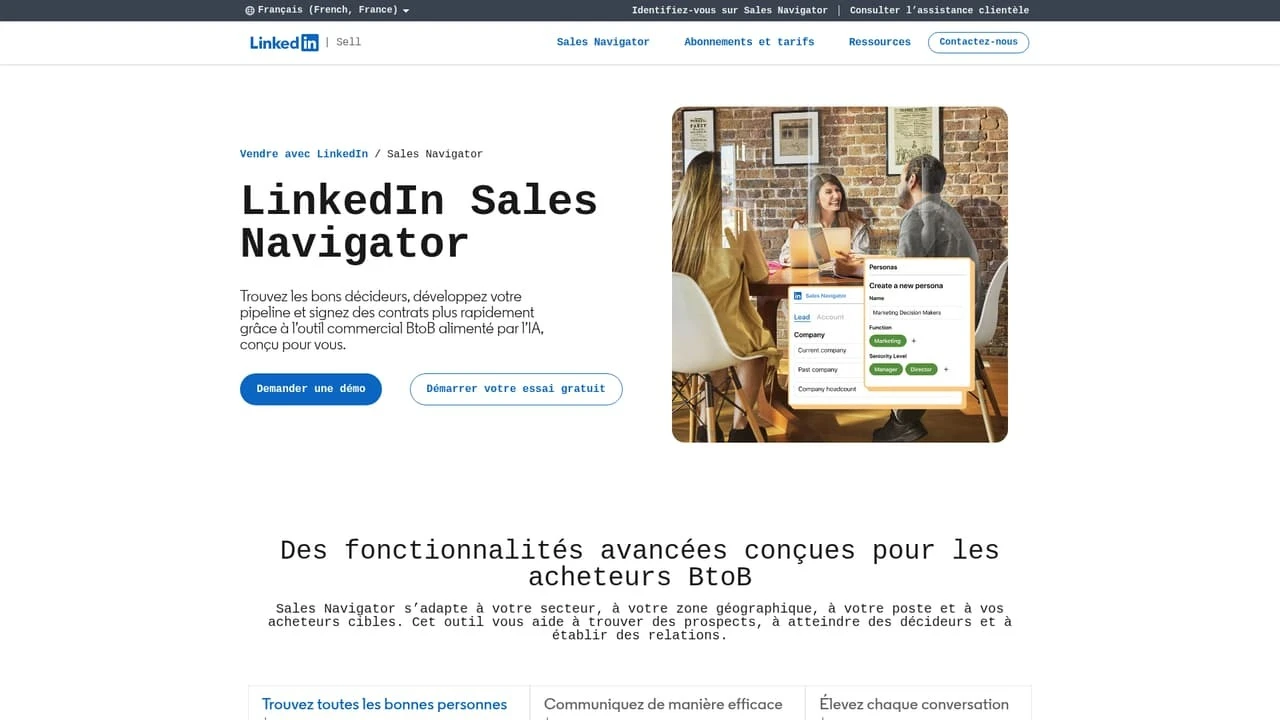
More than 1.5 million salespeople already use Sales Navigator, making it the most widely adopted prospecting tool tied to a professional network. A Forrester study from October 2023 found that users recoup their investment within six months and save roughly 65 hours per year (about 15 minutes daily). Users connect with 5x more senior executives than non-subscribers.
The platform offers three tiers. Core costs $119.99 monthly (or $1,079.88 annually, saving 25%). Advanced runs $159.99 per month ($1,799.88 yearly). Advanced Plus uses custom pricing and adds deep CRM integration with Salesforce, HubSpot, Microsoft Dynamics 365, and Oracle Sales. Free trials exist for Core and Advanced, though they require a credit card.
What makes Sales Navigator unique among prospecting tools is its 50+ advanced search filters combined with native LinkedIn data. You can build org charts with alerts on key decision-makers, send 50 InMails monthly, and share trackable content links. Account IQ and Lead IQ deliver AI-powered insights directly within prospect profiles.
TeamLink deserves a specific mention. This feature lets reps tap into shared team relationships, surfacing warm introductions that cold outreach simply cannot replicate. For SMBs where every connection counts, that network effect becomes a genuine competitive edge. The tool supports seven languages and integrates with 15+ SNAP partners for broader commercial workflows.
Orbital
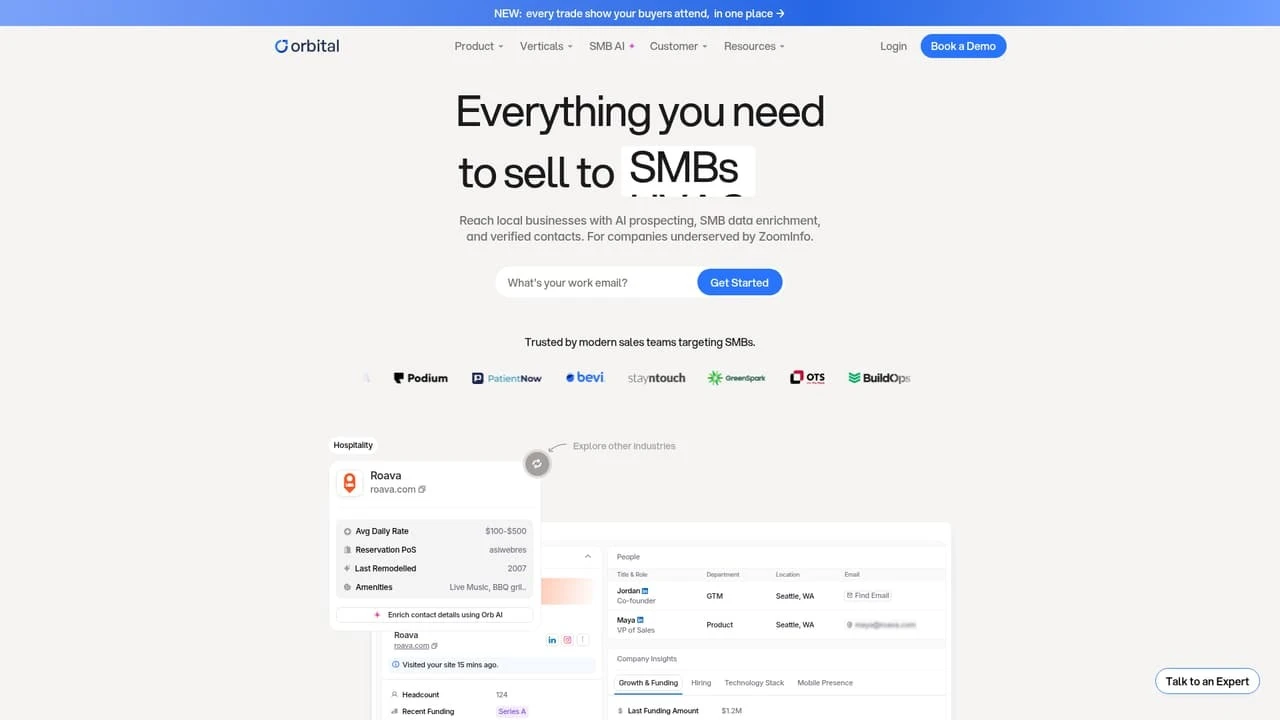
Most prospecting databases optimize for enterprise accounts. Orbital flips that model entirely, building a platform specialized for SMB discovery across vertical markets like HVAC, roofing, plumbing, landscaping, fitness, restaurants, healthcare, retail, and construction. If your buyers are local service businesses, this is where generic tools fall short and Orbital steps in. For agencies serving these trades verticals, combining a prospecting tool like Orbital with a dedicated hvac digital marketing strategy covering local SEO, seasonal PPC, and Google Business Profile optimization creates a full-funnel system that both finds HVAC prospects and converts their own homeowner leads simultaneously.
The platform tracks over 200 SMB-specific attributes and pulls contact data from 20+ proprietary sources that go far beyond LinkedIn. Think public registries, legal documents, and business licensing records that surface decision-makers invisible on traditional platforms. AI agents automate account research, scoring, and campaign personalization at scale.
Getting started is straightforward. Sign up and receive 100 free leads immediately. Orbital enriches and routes inbound leads in real time, and its AI-driven scoring prioritizes accounts based on vertical-specific signals like software activity, hiring patterns, and online reviews.
Documented results from customers paint a compelling picture:
- 3x connection rates compared to previous prospecting methods
- Reps sequence 2x more prospects per day
- One team closed 12 deals in three weeks after switching
- Another reported 10x sales growth with 95% coverage of their target verticals
For vertical SaaS companies and teams selling into fragmented local markets, Orbital positions itself as a direct alternative to ZoomInfo with deeper SMB coverage where it matters most.
Lemlist
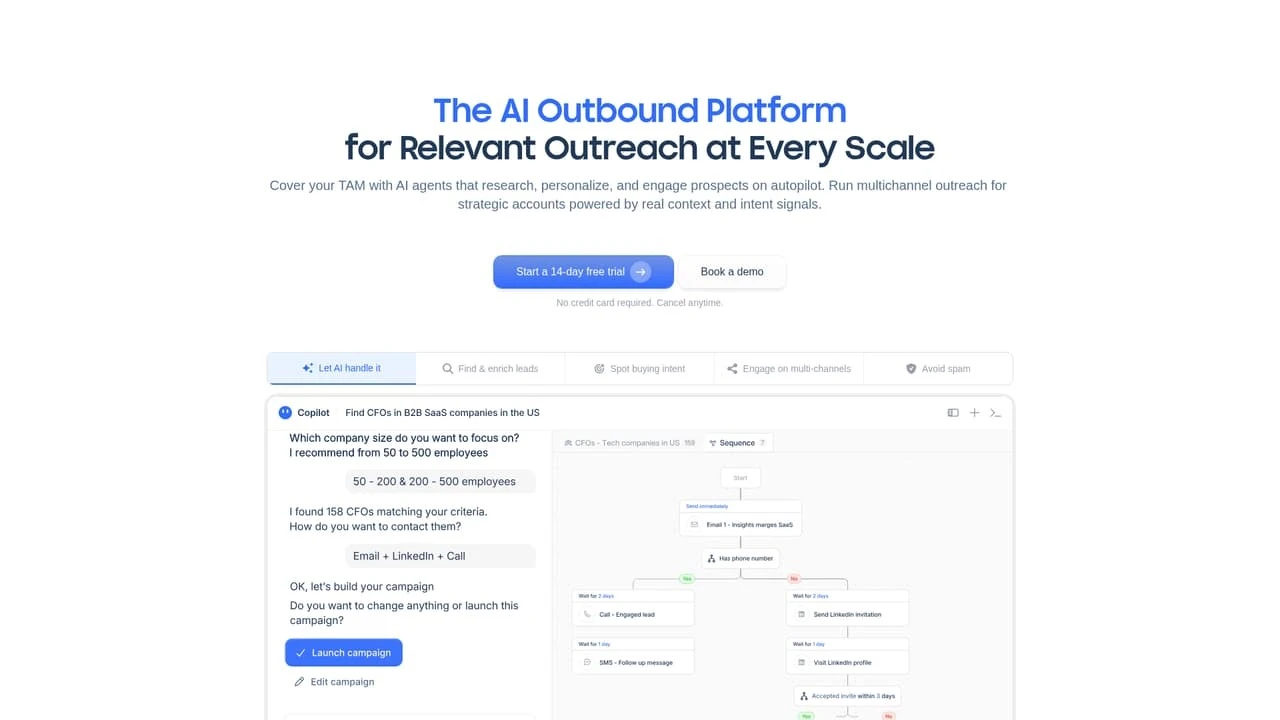
Lemlist covers the entire outbound cycle from prospecting to closing, all inside one unified workspace. The platform addresses sales reps, founders, RevOps teams, and sales leaders who want to stop juggling disconnected tools. G2 recognition based on 1,396 user reviews confirms strong adoption, particularly among teams running high-volume multichannel campaigns.
The contact database houses 650M+ leads with verified emails and phone numbers. Enrichment pulls from LinkedIn profiles, company websites, CRM records, and historical sales data to build complete prospect profiles. Intent Signal Agents detect buying triggers and automatically launch personalized campaigns at the right moment, not days later when the window has closed.
Five channels run from a single workflow. Reps can sequence emails, LinkedIn touchpoints, phone calls, WhatsApp messages, and SMS without switching platforms. A unified inbox consolidates every reply across all channels, so nothing slips through the cracks. The Deliverability Hub monitors email warmup and sender reputation centrally, protecting domain health at scale.
GDPR compliance is built in. Lemlist offers Data Processing Addendums for EU-based customers and operates as a data processor under standard contractual clauses. The platform provides a 14-day free trial without requiring a credit card, and an API opens the door to custom integrations with your existing stack.
FAQ
How do I choose the right prospecting tool for my small business?
Start by mapping your sales workflow end-to-end. Identify where reps lose the most time: is it finding contacts, writing outreach, or managing follow-ups across channels?
Match that bottleneck to platform strengths. A team drowning in manual research needs a large verified database. A team struggling with reply rates benefits more from AI-driven personalization and deliverability features.
How much does a prospecting tool for SMB typically cost?
Entry-level plans generally range from $49 to $120 per user per month, though some platforms offer freemium tiers or free credit allowances. Annual billing usually saves between 10% and 25%.
Factor in hidden costs too. Some tools charge extra for phone number lookups, additional seats, or premium integrations. Calculate total cost per rep before committing to avoid surprises at renewal.
What features matter most in a prospecting tool for small teams?
Multichannel sequencing ranks high because buyers respond differently across email, LinkedIn, and phone. Verified contact data saves reps from bouncing messages and wasted outreach effort.
Look for built-in deliverability monitoring and email warmup. Small teams can't afford domain reputation damage. AI-powered personalization also matters since it lets lean sales teams compete with larger organizations running dedicated SDR divisions.
Can a small team handle prospecting automation without a dedicated ops person?
Yes, most modern platforms design their onboarding for simplicity. Several tools featured here offer setup in under five minutes with guided workflows, templates, and AI assistants.
The key is choosing a platform that bundles prospecting, sequencing, and analytics into one tool rather than requiring custom integrations. Fewer moving parts means less technical overhead and faster time to first campaign.
How do I evaluate data quality before committing to a platform?
Run a test batch during the free trial period. Export 50 to 100 contacts in your target market and verify email deliverability using an independent validation tool.
Check how often the vendor refreshes its database. Real-time enrichment outperforms static lists that decay at roughly 30% per year. Also confirm whether phone numbers are direct dials or generic switchboard lines, as that distinction dramatically affects connect rates for SDRs.
Share this article


