Why Native Ads Continue to Dominate Performance Marketing in 2026

Table of Contents
Digital advertising has become increasingly aggressive over the last decade. Users ignore banners, skip video ads, install ad blockers, and develop resistance to traditional display campaigns. As competition rises and acquisition costs continue to increase, advertisers are forced to look for formats that feel less intrusive while still delivering measurable performance.
This is exactly why native advertising continues to grow.
Unlike disruptive formats, native ads integrate naturally into content environments, creating a smoother user experience and generating significantly higher engagement quality. For performance marketers focused on ROI rather than impressions, native traffic has become one of the most stable and scalable acquisition channels.
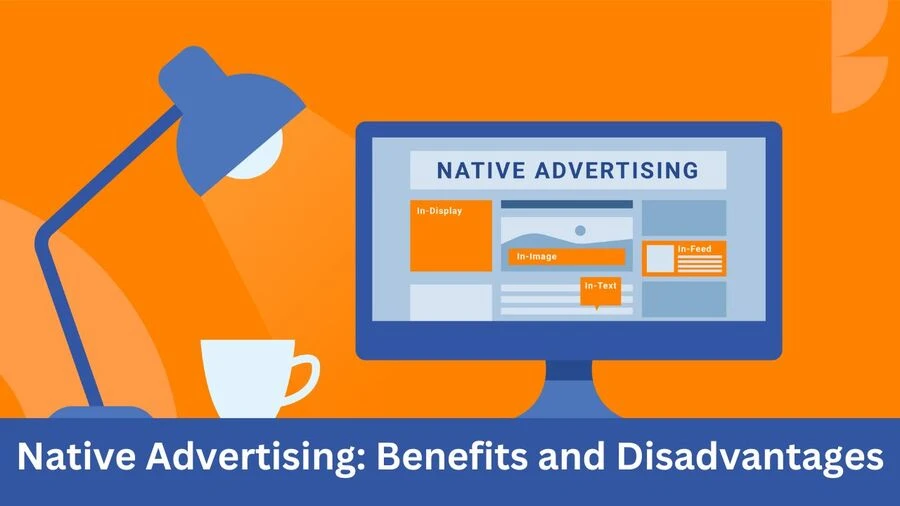
What Are Native Ads?
Native ads are promotional placements designed to match the appearance and structure of the platform where they appear. Instead of looking like traditional ads, they resemble normal content:
- recommended articles
- sponsored stories
- in-feed posts
- content recommendations
The main goal is simple:
- reduce advertising resistance
- increase engagement
- improve conversion quality
Users interact with native ads voluntarily because the format feels less intrusive and more contextual.
Why Traditional Display Advertising Is Losing Effectiveness
Traditional banners once dominated online advertising, but performance has declined dramatically due to several factors:
Banner Blindness
Users subconsciously ignore standard banner placements because they recognize them instantly as ads.
Ad Blockers
Millions of users now actively block display advertising altogether.
Low Trust
Aggressive visual advertising reduces credibility and decreases engagement quality.
Poor Mobile Experience
Traditional banners often interrupt browsing and create frustration on mobile devices.
As a result:
- CTR decreases
- CPC increases
- conversion quality declines
Native advertising emerged as a direct response to these problems.
Why Native Ads Perform Better
1. Higher User Intent
One of the biggest advantages of native ads is intent.
Users actively choose to click because the content appears relevant or interesting. This creates:
- better engagement
- longer session duration
- higher conversion probability
Unlike forced traffic formats, native users arrive with curiosity and attention.
2. Better Conversion Rates
Native traffic usually converts better because users enter the funnel naturally.
Instead of interrupting the browsing experience, native ads become part of it.
This often results in:
- lower bounce rates
- stronger funnel progression
- higher ROI per visitor
For many advertisers, native campaigns generate fewer clicks than cheaper formats, but the traffic quality compensates through better conversion rates.
3. Strong Performance on Mobile
Modern internet traffic is heavily mobile-first.
Native ads adapt well to:
- mobile news feeds
- content recommendation widgets
- in-app environments
Because the format blends into the interface, it feels more natural than traditional banners or disruptive popups.
4. Long-Term Sustainability
Aggressive formats can produce short-term gains, but native advertising is generally more sustainable.
Why?
- less user fatigue
- better audience trust
- stronger compatibility with premium publishers
This makes native particularly valuable for long-term campaigns and stable scaling.
Native Ads vs Other High-Performance Formats
Performance marketing platforms often combine multiple traffic types, including:
- popunder
- push notifications
- smartlinks
- native ads
Each format has a different role.
Native Ads vs Popunder Traffic
Popunder Strengths
- extremely cheap traffic
- massive scale
- high delivery volume
Native Strengths
- better engagement quality
- higher user trust
- stronger conversion rates
Main Difference
Popunder focuses on volume.
Native focuses on intent.
Popunder campaigns often depend on:
- aggressive funnels
- mass targeting
- large traffic quantities
Native campaigns rely more on:
- quality creatives
- storytelling
- audience relevance
Native Ads vs Push Notifications
Push Ads
Push notifications are excellent for:
- re-engagement
- retention
- repeated exposure
However, push traffic often experiences:
- creative fatigue
- declining CTR over time
- lower trust levels
Native ads typically produce:
- more stable engagement
- higher-quality sessions
- better long-term performance
Native Ads vs Smartlink Systems
Smartlinks focus on automation.
The system automatically redirects users to the best-performing offer based on:
- GEO
- device
- behavioral signals
This is highly efficient for monetization, but native ads provide more control over:
- messaging
- user journey
- funnel quality
For advertisers focused on branding and funnel optimization, native traffic usually offers better strategic flexibility.
Industries Where Native Ads Work Best
Native advertising performs particularly well in verticals where education, trust, or storytelling influence purchasing decisions.
E-commerce
Product discovery through article-style recommendations performs extremely well.
SaaS
Software tools often require explanation before conversion.
Health & Wellness
Users respond better to informational content than aggressive ads.
Finance
Educational funnels improve lead quality and trust.
Affiliate Marketing
Native advertorials remain one of the highest-converting affiliate structures.
The Importance of Creatives in Native Advertising
Unlike popunder traffic, native ads depend heavily on creatives.
Three elements determine success:
Headline
The headline controls CTR.
Weak headlines destroy campaign performance immediately.
Image
Visuals must:
- attract attention
- match the platform style
- avoid looking overly promotional
Pre-Landing Content
Many successful native campaigns use:
- advertorials
- reviews
- case studies
- educational content
The goal is warming up the user before presenting the offer.
Why Media Buyers Use Native for Scaling
Many advertisers begin with cheaper traffic formats for testing. But once a profitable funnel is discovered, native ads often become the preferred scaling method.
Why?
Because native traffic:
- produces cleaner data
- attracts higher-value users
- creates more stable ROI over time
The result is lower volatility compared to aggressive traffic sources.
How GTARO Supports Native Advertising
Agency positions itself as a high-performance advertising platform built around scalable traffic formats, including native ads.
For advertisers, this creates several advantages:
Multi-Format Flexibility
Advertisers can combine native campaigns with:
- push traffic
- popunder traffic
- smartlink monetization
Faster Testing
Campaigns can be launched and optimized quickly without moving between multiple ad networks.
Performance-Focused Infrastructure
The platform is designed for:
- affiliate marketers
- media buyers
- arbitrage specialists
This allows advertisers to focus on measurable ROI rather than brand-only metrics.
Common Mistakes in Native Advertising
Weak Headlines
Even strong offers fail with poor headlines.
Overly Promotional Creatives
Native ads must blend naturally into content environments.
Sending Traffic Directly to Offers
Pre-landers usually improve performance significantly.
Ignoring Mobile Optimization
Most native traffic is mobile-first.
The Future of Native Advertising
As users become more resistant to disruptive advertising, native formats will likely continue growing.
Several trends support this:
- increased mobile usage
- stronger focus on user experience
- declining performance of traditional banners
- rising importance of content-driven funnels
Native advertising sits directly at the intersection of:
- content marketing
- performance marketing
- user engagement
That combination makes it one of the most resilient advertising models available today.
Final Thoughts
Native advertising has evolved far beyond simple sponsored articles. It is now one of the most effective ways to combine:
- user trust
- scalable acquisition
- strong conversion rates
Compared to more aggressive formats, native ads deliver higher-quality traffic and more stable long-term performance.
Platforms like GTARO help advertisers integrate native traffic into broader performance strategies alongside push, popunder, and smartlink systems.
In modern digital advertising, success is no longer determined by who generates the most clicks — but by who attracts the most engaged users. Native advertising remains one of the strongest formats for achieving exactly that.
Share this article