Why Web Design Is a Startup's Strongest Marketing Tool

Table of Contents
Your startup's website loads. A visitor glances at it for three seconds and they've already decided whether to trust you.
No pitch deck, no cold email, and no LinkedIn announcement moves that fast. For a startup with no brand history and no established word-of-mouth, the website is the entire first impression. It speaks before your product does, before your pricing does, before anyone has read a line of copy.
Most founders treat design as something to figure out after the product is ready. That's the wrong order. Design is what your market encounters first and for early-stage companies, the gap between a professional site and a mediocre one is measurable in conversion rates, investor interest, and customer trust.
Key Takeaways:
- First impressions form in under 100 milliseconds, and visual design drives them
- A well-designed site works as a 24/7 conversion engine without a payroll line
- Visual language communicates brand positioning before copy gets a chance to
- Startups face a higher trust deficit than established brands. Design closes that gap
- Investors evaluate your website before they evaluate your pitch
First Impressions Are a Business Decision
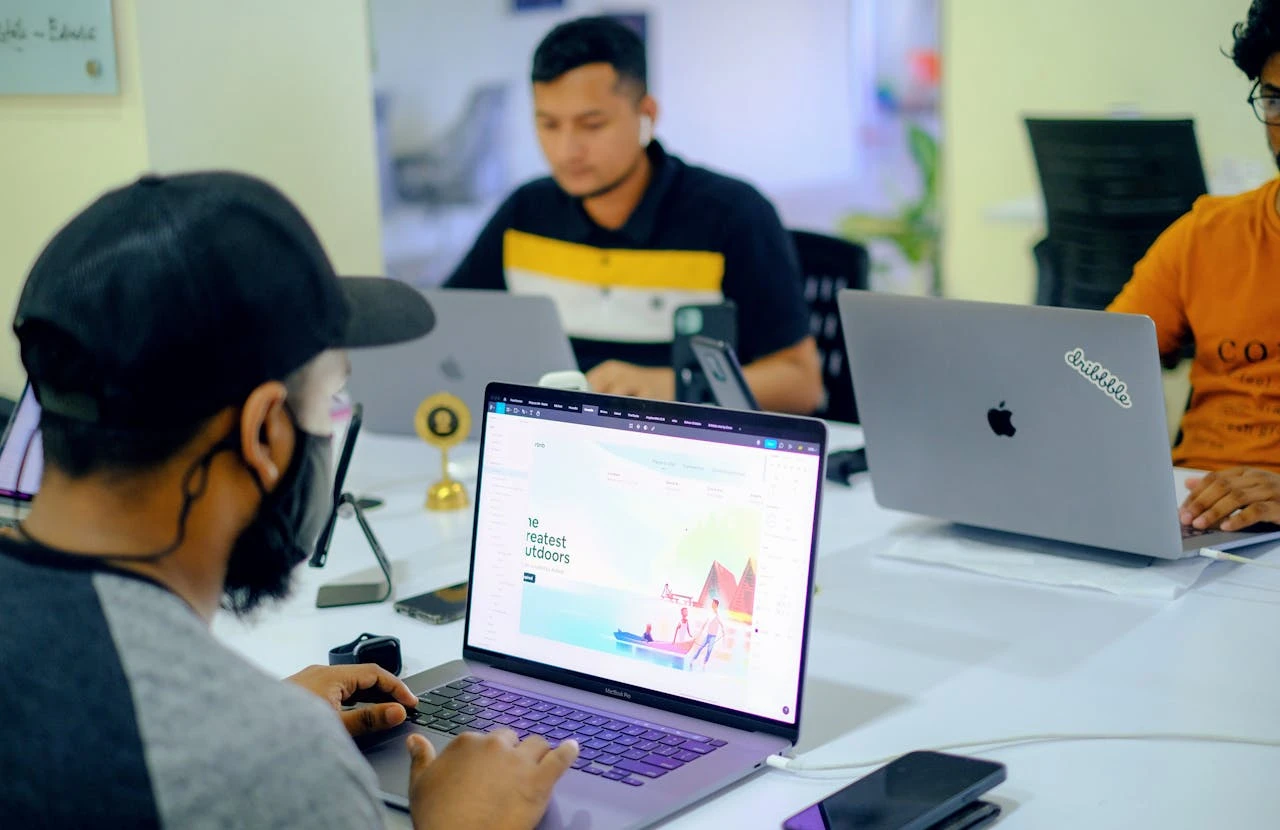
Users form opinions about websites in roughly 50 milliseconds well before they process any text. The speed at which visual trust forms online is startling, and it has direct implications for how brands choose to present themselves digitally.
For an established company, years of recognition do that trust-building work. For a startup, the visual design of your site is doing it alone. When a potential customer arrives with zero prior context, design is the only signal available. They're not evaluating your features yet, they're deciding if you're worth reading further.
Your Website Is Your Most Efficient Sales Tool
A full-time sales hire costs $80,000–$120,000 annually. A well-designed website, built with conversion intent from the start, works around the clock across every time zone without a salary, a benefits package, or a commission structure.
Strategic UX decisions, including CTA placement, pricing page structure, and how social proof is layered throughout the page, directly affect conversion rates in ways that scale. Even a 1–2% improvement in homepage conversion can meaningfully shift monthly revenue without touching ad spend.
This is where specialist thinking earns its cost. Agencies focused on brand and startup web design bring conversion logic to every layout decision, not just aesthetic polish. If you're evaluating design partners, check Mission Control. Explore their services and see how they treat design as a business growth tool, not just a visual exercise.
The Visual Language No Copywriter Can Replace

Typography, whitespace, and color communicate before words do. A B2B SaaS startup using structured layouts and restrained type makes a different brand claim than a DTC brand using warmth and generous spacing, even if both headlines say the same thing.
This visual grammar shapes how users categorize you, almost instantly. Brand perception is one of the most powerful drivers of purchase decisions and design is its fastest vehicle. You don't get to explain your brand values in the first three seconds. Your visual language either shows them or it doesn't.
Why Startup Web Design Demands More Than Good Taste
Here's the counterintuitive part: established brands can survive a mediocre website. Their name carries enough weight that users push past a clunky interface. Startups can't make that trade.
When someone lands on your site with no prior context, there's nothing but what's visible. No founder reputation they already know, no category leadership, no decade of press coverage doing background work. That's the particular challenge of startup web design: you're asking for trust before you've earned it, and design is the only collateral you have.
The fix isn't always expensive. It's intentional. A clear visual hierarchy, a focused value proposition above the fold, and a friction-free conversion path will consistently outperform a visually elaborate site with no clear direction.
What Investors Notice Before the First Call

Most founders don't realize how often investors look up a startup's website before any meeting. They're not evaluating the product, they're evaluating the team's judgment.
A coherent, well-considered design signals attention to detail. It suggests the team understands its audience. An unmodified template or a cluttered hero section quietly raises doubts about execution quality before a word of the pitch has been spoken.
Design isn't just customer-facing. It's a signal to everyone who evaluates you.
The Mistakes That Keep Showing Up
The most costly web design mistakes at early-stage startups aren't bad aesthetics, they're misaligned priorities.
Launching with an unmodified template is one. Templates aren't inherently wrong, but using one without customization means your site looks identical to twelve competitors. Differentiation is gone before the pitch starts.
Designing for everyone is another. "Our product works for any business" usually produces a homepage that resonates with no one. The more you try to include, the less any single visitor feels addressed.
Treating the website as a one-time launch task is the third. The strongest startup sites evolve alongside the product and the positioning.
Design Isn't What Comes After Product-Market Fit
The founders who figure this out early move faster and convert better at every stage.
Your website is the first version of your product that most people will ever see. It runs before you're in the room, before the follow-up email goes out, before the demo has been booked.
Make it worth their three seconds.
Share this article