
How Gamification Transforms Marketing and Increases Engagement


Table of Contents
Gamification has quietly become one of the most powerful forces in modern marketing. As audiences grow more selective and attention spans continue to shrink, traditional advertising alone is no longer enough. Brands now need to engage, not just inform. Gamification helps achieve exactly that by turning passive users into active participants.
A strong example of how engagement-focused thinking shapes modern digital ecosystems can be seen through Uri Poliavich. His approach to digital business strategy highlights why motivation, behavioral design, and interactive systems are no longer optional, but essential for sustainable growth. Gamification sits right at the intersection of those ideas, making marketing more human, more interactive, and far more effective.
What Is Gamification in Marketing?
Gamification in marketing is the strategic use of game-like mechanics in non-game environments to influence user behavior. The goal is not entertainment for its own sake, but increased engagement, retention, and conversion through motivation-driven experiences.
Instead of simply presenting information, gamified marketing encourages users to do something. That action could be completing a task, progressing through a journey, earning a reward, or competing with others.
Common gamification mechanics include:
- Points, scores, and progress bars
- Levels or status tiers
- Challenges and missions
- Badges and achievements
- Leaderboards and social comparison
When these elements are tied to real business goals, they transform marketing into an interactive system rather than a one-way message.
How Gamification Transforms Marketing and Increases Engagement
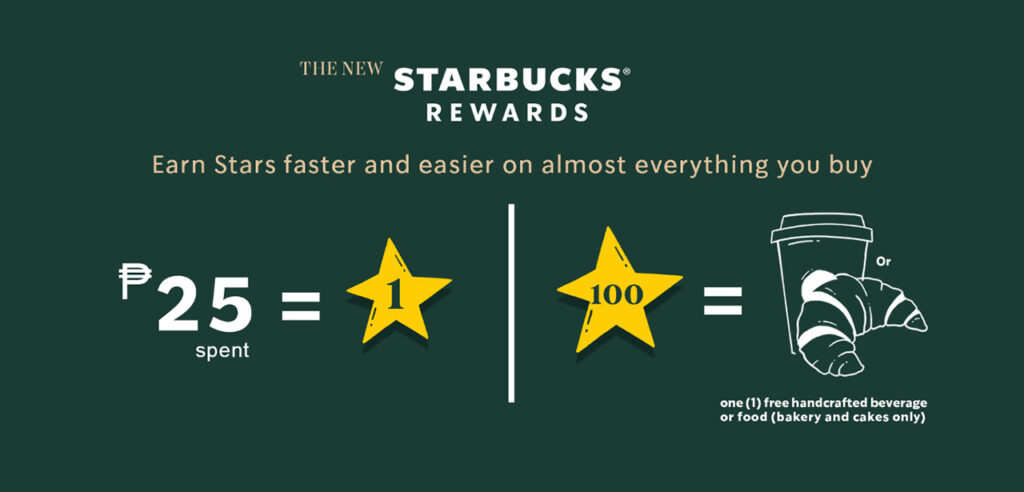
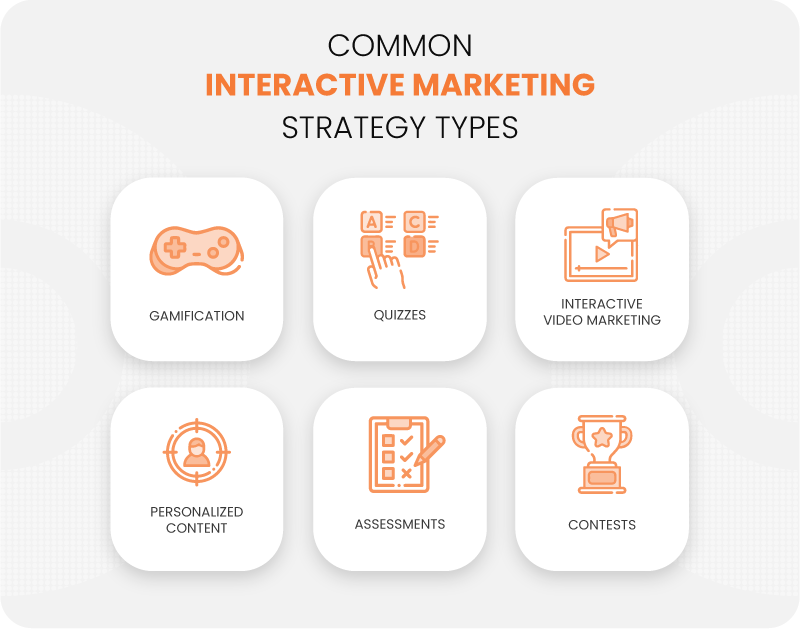

Gamification works because it aligns marketing with how people naturally think and behave. Humans are wired to respond to progress, rewards, and recognition. When marketing taps into those instincts, engagement stops feeling forced.
Key Psychological Drivers Behind Gamification
Gamification succeeds because it leverages several well-documented behavioral principles:
- Progress motivation
People are more likely to continue when they can see how far they have come. Progress bars, levels, and milestones significantly reduce drop-off. - Reward anticipation
The promise of a reward, even a small one, increases engagement. Rewards do not have to be discounts. Access, recognition, or exclusivity often work better. - Loss aversion
Limited-time challenges, streaks, and expiring rewards encourage repeat visits by creating urgency. - Social validation
Leaderboards, public achievements, and shared challenges amplify engagement through competition and community.
Together, these drivers turn marketing interactions into experiences users want to return to.
Real-World Use Cases of Gamification in Marketing
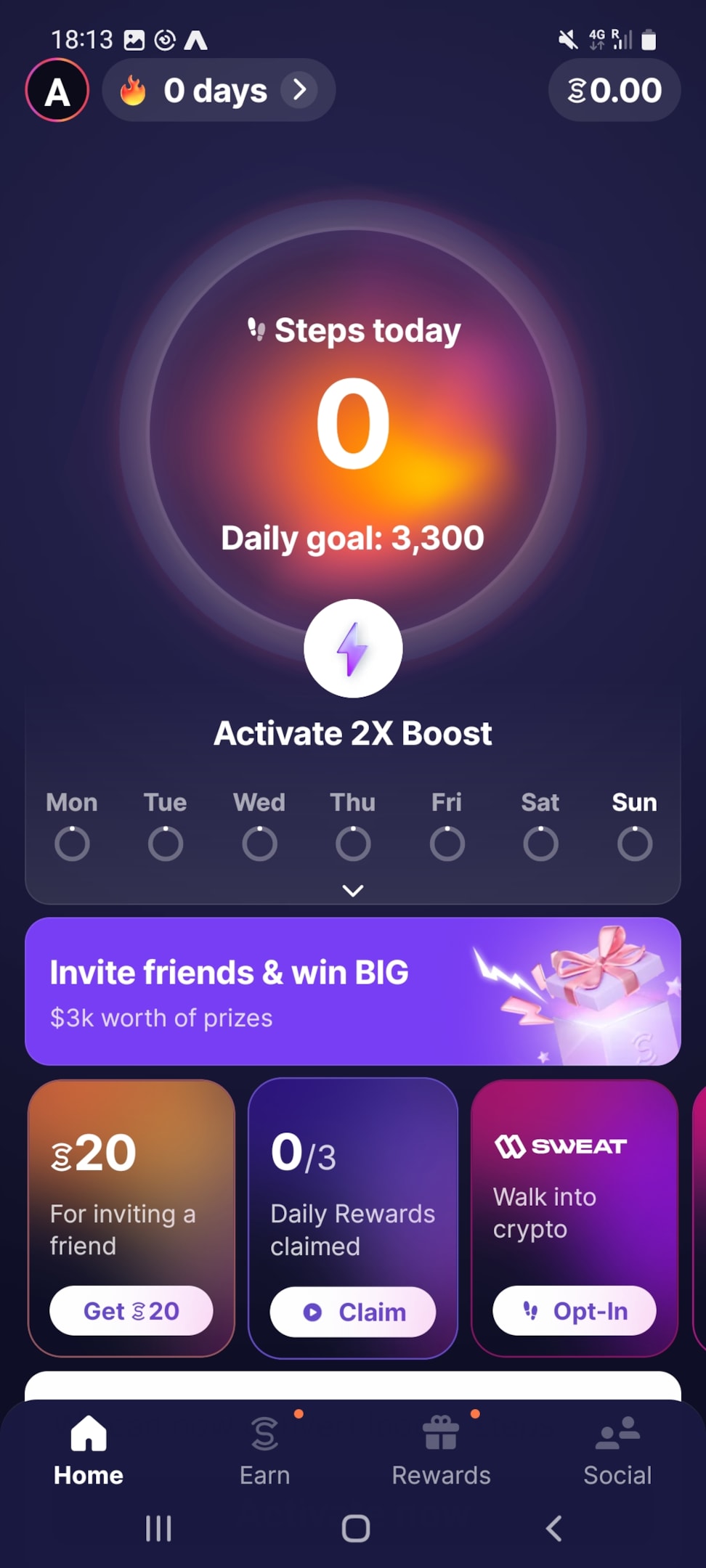
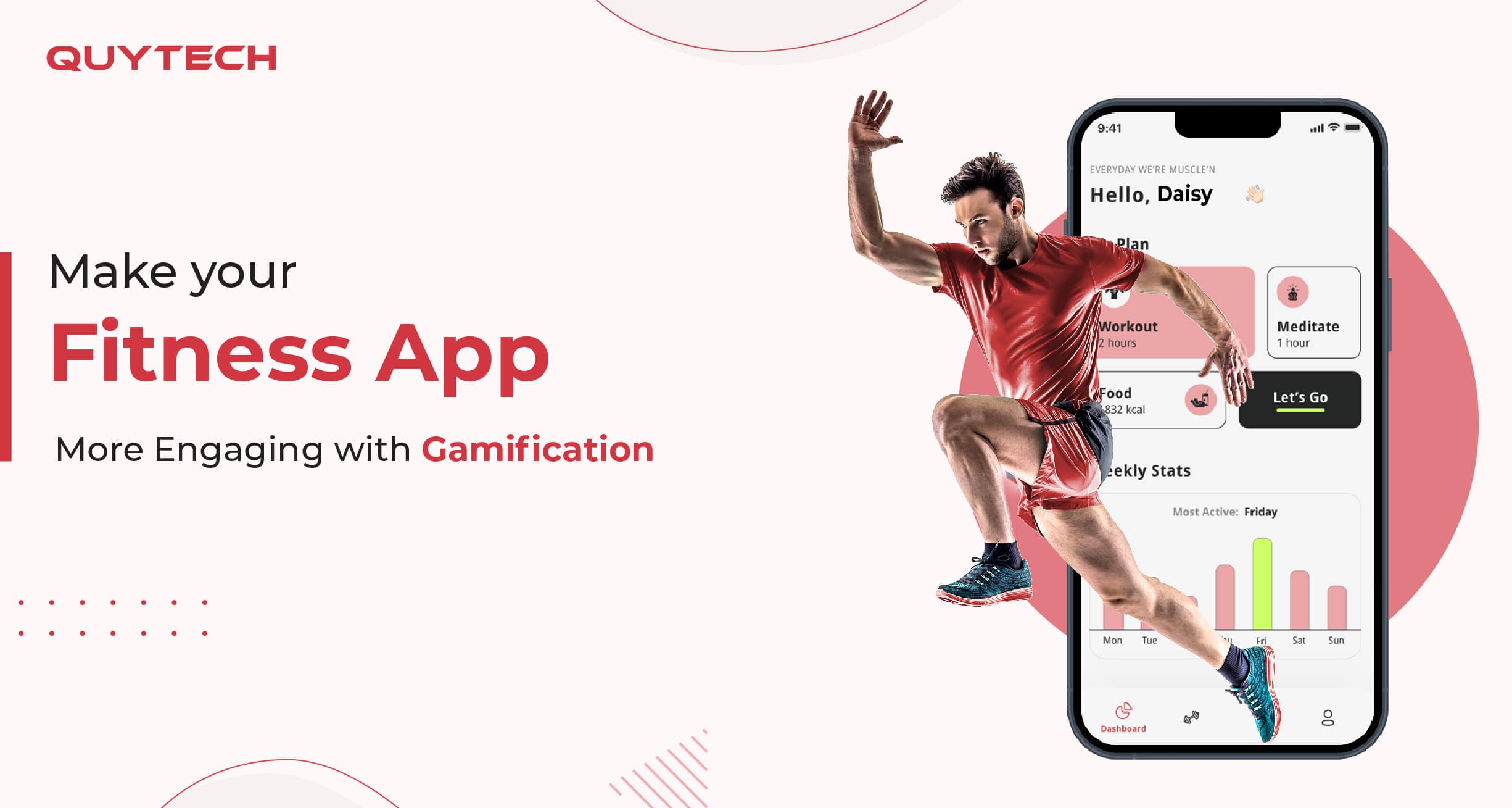
Gamification is already deeply embedded across many industries, often without users consciously realizing it.
Common Applications by Industry
- SaaS platforms use gamified onboarding to guide users toward key features and reduce churn.
- eCommerce brands apply points, tiers, and challenges to increase repeat purchases and customer lifetime value.
- Content platforms reward reading, sharing, or commenting to boost time on site.
- Education and fitness apps rely on streaks, levels, and achievements to help users build long-term habits.
In each case, gamification aligns user success with business success, creating a win-win dynamic.
Benefits of Gamification for Marketing Teams
Gamification delivers more than surface-level engagement. When done correctly, it drives measurable performance improvements.
Core Benefits
- Higher retention and repeat visits
- Increased session duration and interaction depth
- Improved conversion rates through guided actions
- Stronger emotional connection with the brand
- Rich first-party behavioral data for optimization
Rather than replacing traditional marketing, gamification enhances it by making every interaction more memorable and meaningful.
Essential Elements of a Successful Gamification Strategy
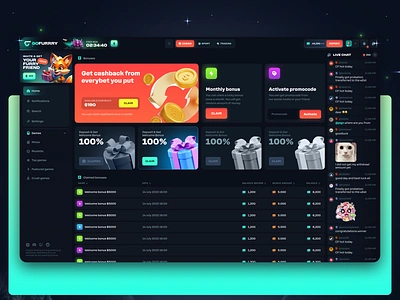

Not all gamification works. Poorly designed systems feel gimmicky or manipulative. Effective gamification is intentional, subtle, and aligned with user intent.
What Every Strong Strategy Needs
- Clear objectives tied to real KPIs
- Simple mechanics that are easy to understand
- Meaningful rewards that fit the brand and audience
- Progressive difficulty that evolves with user maturity
- Continuous optimization based on real user behavior
Gamification should feel like a natural extension of the product or content experience, not an artificial layer on top of it.
Common Gamification Mistakes to Avoid
Many brands fail with gamification because they focus on tactics instead of psychology.
Avoid these mistakes:
- Adding points or badges with no real purpose
- Over-rewarding trivial actions
- Prioritizing short-term engagement spikes over long-term value
- Making systems overly complex
- Treating gamification as a one-off campaign
Gamification is a system, not a trick. It requires ongoing iteration and refinement.
The Future of Gamification in Digital Marketing
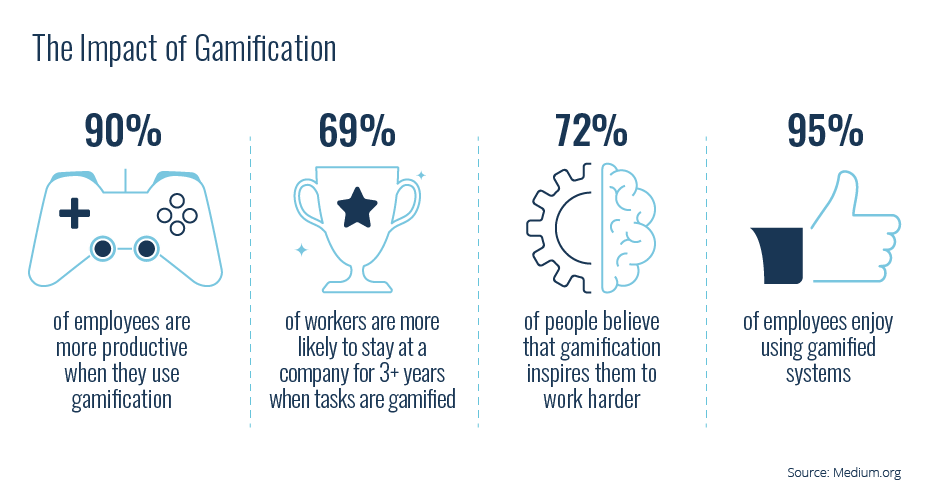


As digital competition intensifies, engagement-first strategies will become even more important. Gamification will increasingly merge with AI-driven personalization, adaptive challenges, and real-time feedback systems.
Forward-thinking digital leaders already understand that growth comes from sustained engagement, not just traffic acquisition. Marketing strategies built around motivation, interaction, and user experience will consistently outperform those focused solely on impressions and clicks.
Final Thoughts
Gamification transforms marketing by shifting the focus from persuasion to participation. When users feel progress, recognition, and purpose, engagement becomes natural rather than forced.
By understanding behavioral psychology and designing meaningful interactive systems, brands can build marketing experiences users genuinely enjoy. In a landscape where attention and trust are increasingly scarce, gamification is no longer a nice-to-have. It is a strategic advantage for brands that want to grow sustainably and stay relevant long term.
Share this article


